
by admin | Nov 24, 2025 | Back Pain, Spine
Spinal stenosis makes everyday movements feel harder than they should. When the spinal canal becomes narrow and irritates your nerves, you may notice pain, weakness, numbness, or heaviness in your lower back, legs, neck, or arms. For many people, this pain improves...

by admin | Nov 24, 2025 | Back Pain, Spine
If you’re asking “is spinal stenosis hereditary?” The short answer is yes, but only partly. Genetics can increase your risk, but they don’t guarantee you’ll develop the condition. Most people experience spinal stenosis because of age-related changes, inflammation,...

by admin | Nov 17, 2025 | Back Pain, Spine
Spinal stenosis can affect how you move, how you feel, and how confidently you navigate your day. While certain age-related changes in the spine are unavoidable, there are effective ways to lower your risk or slow progression if early symptoms have already begun....
by admin | Nov 17, 2025 | Back Pain, Spine
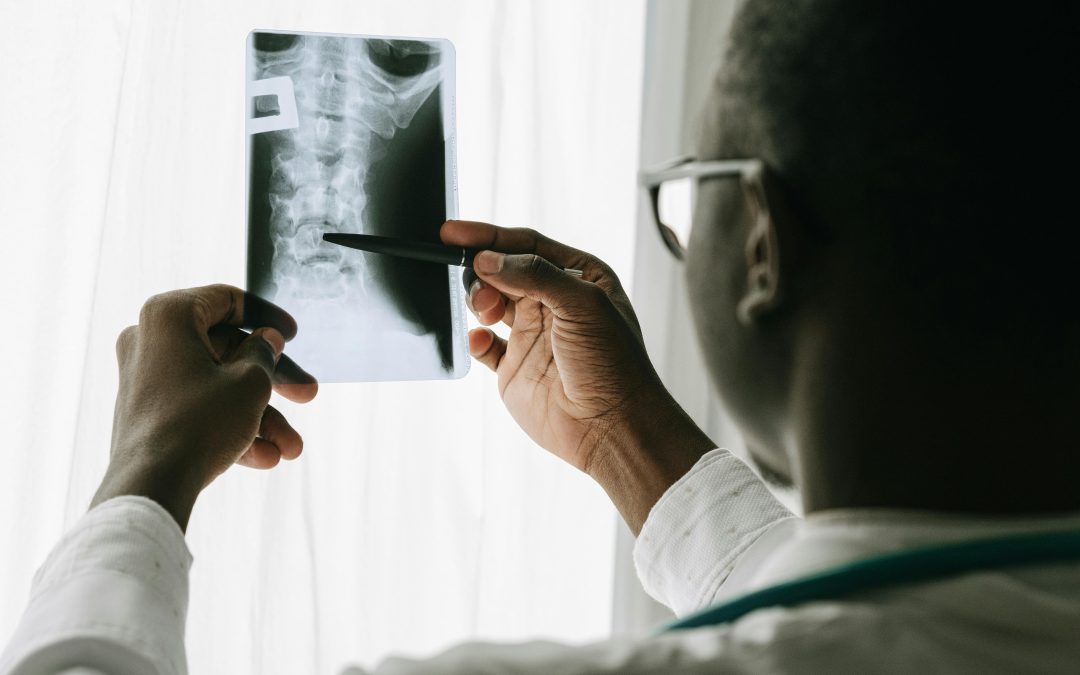
When spinal stenosis is left untreated, the narrowing around the spinal cord and nerves usually gets worse. This leads to increasing nerve compression, more frequent and intense pain, balance problems, weakness, and in severe cases, permanent nerve damage. Over...
by admin | Nov 10, 2025 | Spine
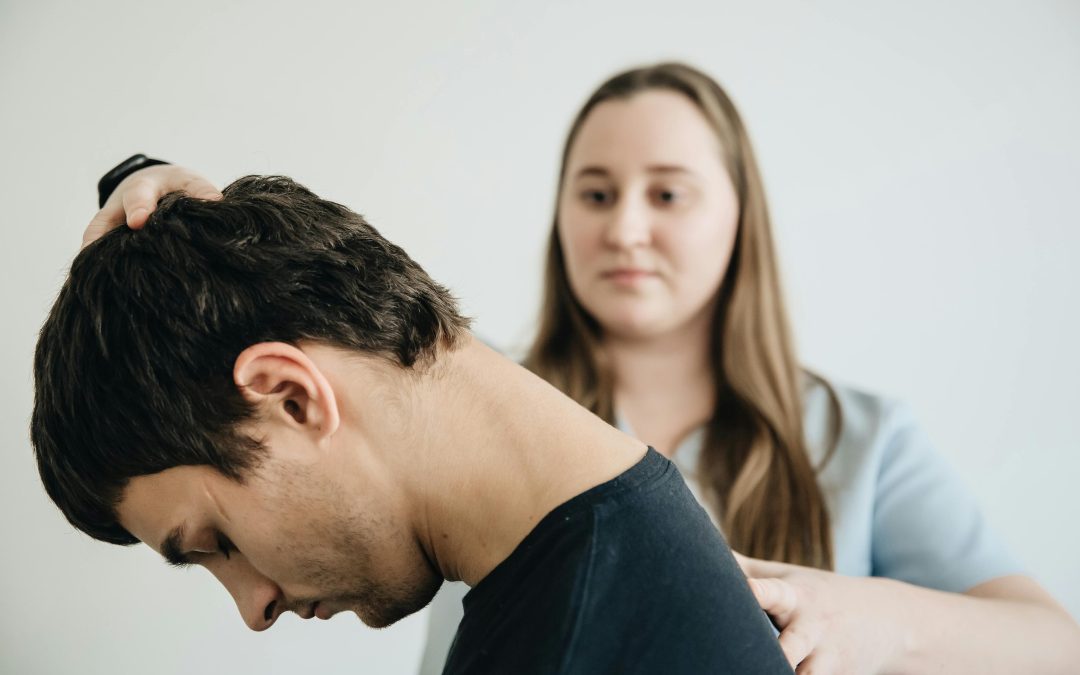
Cervical spinal stenosis becomes serious when the narrowed spinal canal begins pressing on the spinal cord. This pressure can affect balance, coordination, hand function, strength, and in urgent cases bowel or bladder control. Mild cases often respond well to...

by admin | Nov 10, 2025 | Back Pain, Spine
Spinal stenosis becomes most concerning when it reaches the final stage, where nerve compression is severe enough to affect movement, strength, sensation, and sometimes bladder or bowel control. At this point, symptoms are no longer occasional, they’re persistent,...
 877-381-4200
Recent Comments